Heuristic
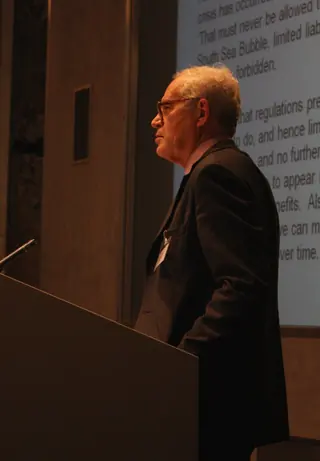
Goodhart’s Law
“When a measure becomes a target, it ceases to be a good measure.”
Charles Goodhart · 1975 · Economics
A standing programme inside Conyso: find a subject with no canonical reference, build the whole set properly, publish it free, and keep it open.
An encyclopedia entry per concept, a thousand posts that copy each other, and nothing that collects the whole set, traces every claim to its earliest reliable source, and says plainly how much evidence stands behind it.
That gap is not an accident. Doing it properly is slow, unglamorous and pays nothing directly, so almost nobody finishes. Initiatives is the decision to go and finish, once per subject, for as long as it takes.
Three tests and a rule about when it ships. A subject that fails any of them is not an initiative, however interesting it is. This is the part that decides what gets built next.
A resolvable source, traced to the earliest reliable attribution rather than whoever repeated it last. A named person where one exists. An honest rating of how far it can be pushed. Where a claim is disputed, the entry names who disputes it. The Bias Atlas adds one more: what happened when the experiment behind the claim was run again, which for 8% of its entries is that it failed. Three from The Law Tome, as it looks in practice.
“When a measure becomes a target, it ceases to be a good measure.”
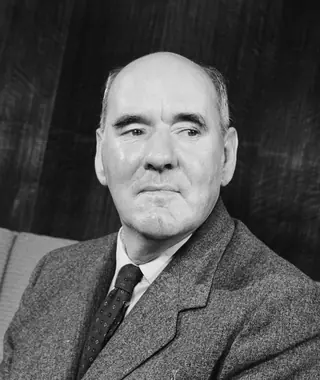
“Work expands so as to fill the time available for its completion.”

“Entities should not be multiplied beyond necessity.”
Portraits via Wikimedia Commons, CC BY-SA. Goodhart: Jamesfranklingresham. Parkinson: Wim van Rossem for Anefo. Ockham: Moscarlop. Full attribution travels with each entry.
A quarter of the corpus is openly marked contested. Pretending otherwise is how bad ideas spread.
Twenty fields in all. Named laws do not respect subject boundaries, so neither does the index.
A reference behind a paywall is not the canonical one. It is the one people quote from somewhere else. Being the source everyone cites is worth more than the licence revenue, and it is only available to whoever publishes openly first.
More subjects qualify than we can build at once, and initiatives are added when they are finished enough to be relied on, not when they are announced. If you work in a field where the reference you need does not exist, tell us. Knowing which gap matters to someone doing the work is the hardest part of choosing the next one.